

Introduction to Coil Springs
A coil spring might appear easy at first, however, from an engineering standpoint it’s a meticulously constructed component, where minor changes in the wire’s thickness, spacing between coils, or even the composition of the material could significantly alter the performance. The engineers treat coil springs as high-precision parts, not as basic metal wires since their performance directly affects safety, comfort and longevity when it comes to mechanical components. Each coil spring is created with a specific function to be considered, whether it’s taking on shocks, retaining tension, or offering an even resistance.
The design of coil springs will determine how it responds when it is under pressure. A spring that is tightly wound and strong wire is resistant to deformation and is able to handle more weight and an unwinding spring that has thinner wire provides more flexibility, but less capacity for load. The balance between rigidity and elasticity is the reason coil springs are so flexible across various industries
Understanding Spring Rate in Practical Terms
Spring rate is among the most important notions when it comes to coil springs, but it is frequently not understood. Simply speaking, the spring rate is a measure of how hard or stiff the spring is. A spring with a high rate indicates that the spring is hard and requires greater force to compress, whereas an extremely low rate indicates that springs are more flexible and compress more easily when pressed under less load.
In real-world scenarios, the spring rate directly impacts performance directly. In automobiles, for instance having a slow spring rate enhances comfort and ride by smoothly absorbing bumps and a more rigid spring rate improves the handling and stability of vehicles when driving at high speeds. Engineers frequently have to make a choice between comfort and control this is the reason modern vehicles often make use of variable or progressive rate coil springs that alter stiffness depending on the load and driving conditions.
Advancements in Coil Spring Suspension
Early Mechanical Springs
The idea of springs goes back to a long time. Early civilizations utilized primitive spring-like mechanisms for traps, bows and other simple devices. These initial designs laid the groundwork for the later precisely-engineered coilsprings.
Industrial Revolution and Modern Springs
The Industrial Revolution was a turning moment for the development of coilsprings. Thanks to advances in manufacturing and metalworking springs were more reliable and standard. The era of coilsprings introduced into railways, steam engines as well as factory equipment, which transformed industries across the globe.
How Engineering Improved Spring Design
As time passed engineers learned to calculate fatigue, stress and load capacities more precisely. This resulted in better materials, improved forms of the coil, as well more durable springs that were able to withstand extremely high loads and in extreme conditions without breaking down.
Why Coil Springs Eventually Fail
Even the most durable coil spring isn’t immune to fatigue and wear. The cause of fatigue is when the spring is exposed to numerous loading and unloading processes over duration. Each cycle causes microscopic strain in the structure of the metal, and over the course of millions of cycles tiny cracks may form which eventually cause failure.
This is the reason why fatigue life is a key design factor. Springs used in high-cycle processes like suspensions for cars as well as industrial machines, have been developed to perform at a level that is well below their stress limits. Correct heating treatment, surface finishing and choice of material enhance the resistance to fatigue, which allows coil springs to last many years without any issues.
Environmental Effects on Coil Spring Performance
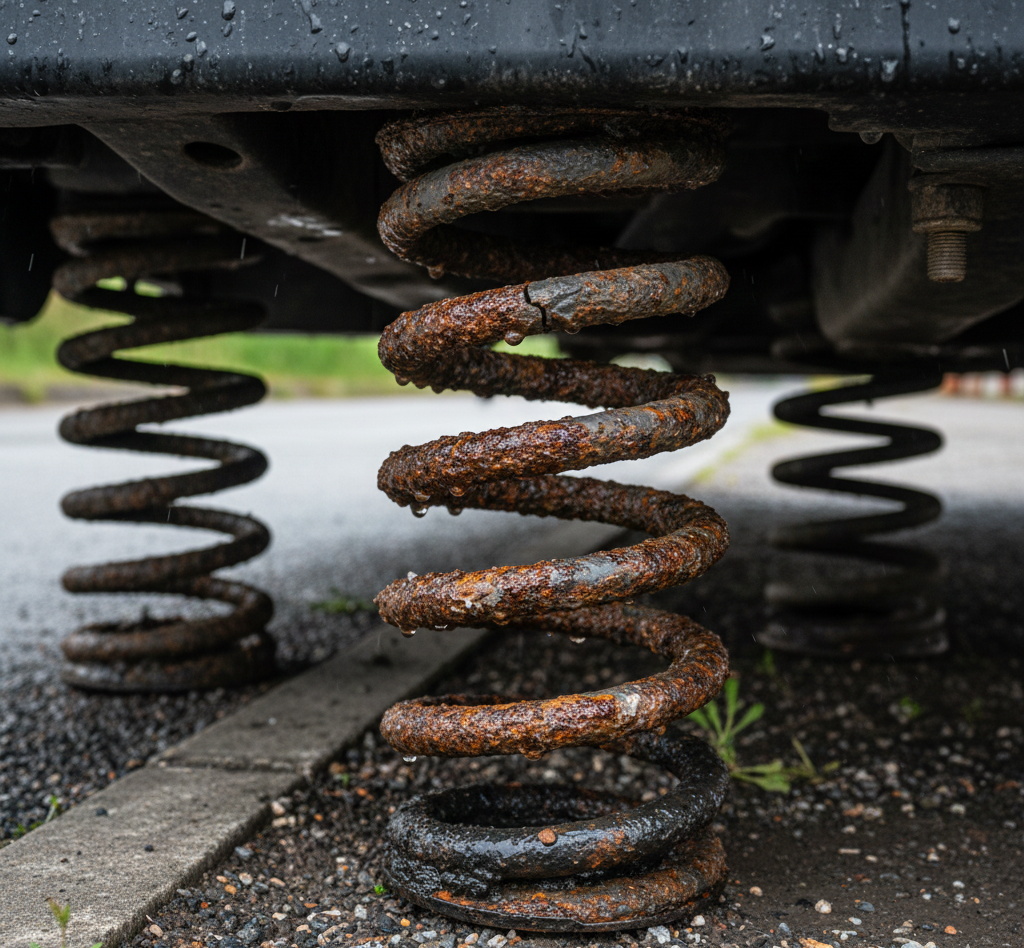
The environmental conditions play an important impact on the lifespan and performance that coil springs have. The exposure to salt, moisture or chemicals, as well as extreme temperatures can cause a weakening of the spring over time. Corrosion is among the most frequent problems that springs face, particularly when it comes to automotive or outdoor use where springs are exposed road salt, rain and dirt.
To prevent this from happening, they apply protective coatings like zinc plating, powder coating as well as epoxy finish. The stainless steel springs are often used in environments that are corrosive since they are naturally resistant to corrosion. Selecting the best protection method assures that the coil spring is strong and maintains its elasticity even under extreme conditions.
Coil Springs in Medical Applications
In the medical industry coil springs are utilized in equipment where precision, dependability, and cleanliness are crucial. Inhalers, surgical instruments diagnostic equipment and implantable devices typically rely on mini coil springs which must function consistently within strict tolerances.The medical-grade coilsprings usually constructed from stainless steel or other alloys that are able to resist sterilization without loosing strength. A minor defect in these applications can have severe consequences. This is why standards for quality control and testing are very high in medical spring production.
Role of Coil Springs in Aerospace Engineering
Aerospace applications require the best performance from every component and coilsprings make no exception. For spacecraft and aircraft springs are employed to create landing gear systems and control mechanisms, as well as valves along with safety mechanisms. The springs have to function properly under extreme temperature fluctuations along with high vibrations and the rigors of heavy loads.
Advanced alloys and lightweight materials are frequently used to reduce overall weight, while still maintaining the strength. In aerospace engineering, just one gram saved can have a major impact and that is the reason coil spring design is always changing in this area.

Custom Coil Springs vs Standard Coil Springs
Regular coil springs can be manufactured and are readily available for most applications, making them economical and accessible for purchase. But, many sectors need special coilsprings specifically designed to meet specific requirements for space, load, and performance requirements.Custom springs are designed in accordance with specific specifications, such as coil count, wire diameter spring rate, the material. While they might cost more at first but custom coilsprings usually offer better performance, longer service lives and higher system effectiveness, making an investment that is worthwhile for applications that require specialized knowledge.
Quality Testing and Inspection of Coil Springs
Before a coil spring can be authorized to be used, it goes through strict tests and inspection. These tests test spring rate, spring capacity dimension accuracy, and endurance. The latest testing equipment employs controlled forces to verify that the spring functions according to the specifications.A visual inspection is equally important because surface imperfections or asymmetry in coils can signal manufacturing problems. The highest-quality coil springs are in compliance with strict industry standards, guaranteeing the same performance and safety in every application.
Economic Importance of Coil Springs in Manufacturing
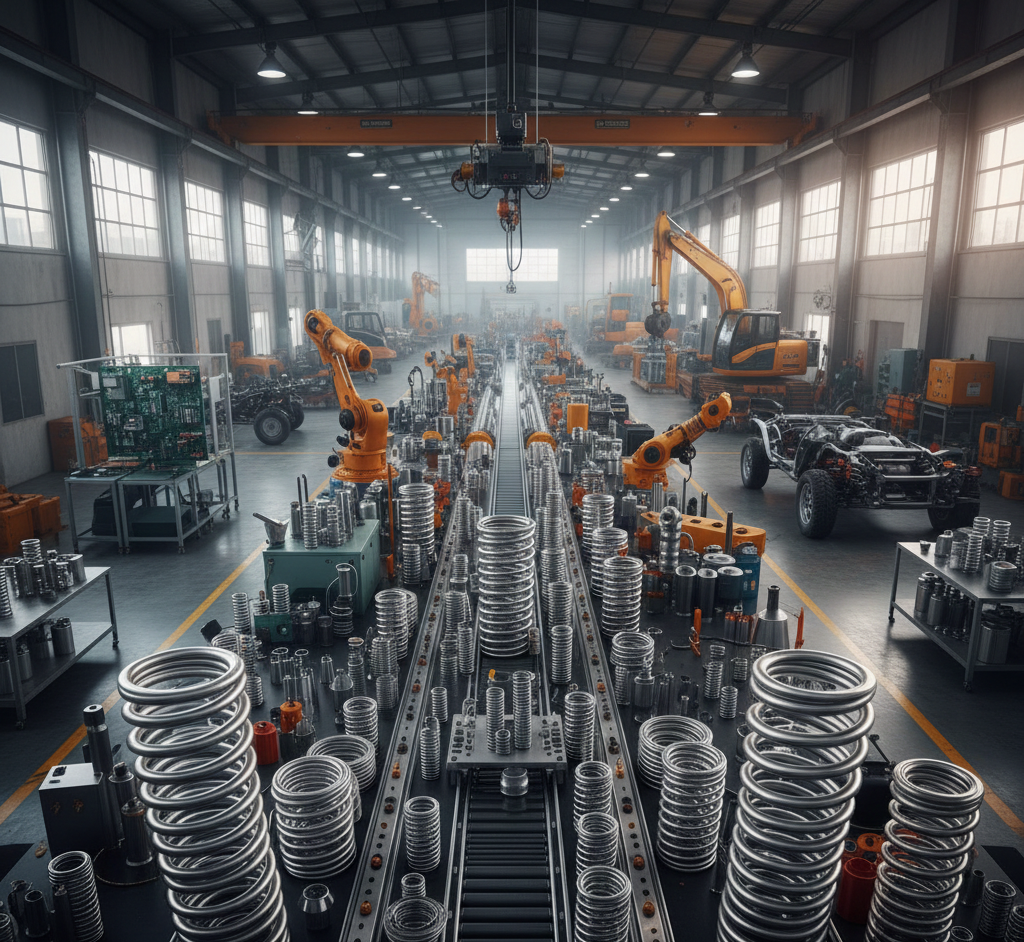
Coil springs might be tiny parts However, their impact on the economy is enormous. They are manufactured in huge quantities and used in electronic, construction, automobile as well as healthcare and manufacturing industries. A well-constructed spring can help reduce the cost of maintenance, avoid equipment failure and increase the overall efficiency of the system.
Due to their significance in manufacturing, springs are an extremely specialized field that blends materials science, mechanical engineering, and precise manufacturing. Continuous improvement makes sure that coilsprings stay useful in a constantly evolving technological world.
Conclusion
An HTML0 coil spring is an example of engineering components which appear simple on the surface, but are an essential component in the way that modern vehicles, machines and various other items function efficiently and safely. From absorption of shocks and regulating movements to storing energy before release it in precisely controlled ways, coilsprings ease the strain on mechanical systems and also improve quality, comfort and endurance. Their wide-ranging applications in the fields of manufacturing for automobiles, aerospace, medical and consumer goods proves their incredible versatility and reliability.
With the advancement of technology, the coil spring too is changing, with better materials, more efficient designs, and more sustainable manufacturing techniques. Knowing how the coil springs function and the way they’re used, and how to preserve their quality is not just helpful to engineers and designers however, it also helps ordinary people to understand their significance. In the final analysis, the coil spring has become an essential and timeless element of modern engineering, helping advancement and efficiency at the same time.
FAQs
1. What can a coil spring be is used to do?
The coil spring can be utilized in order to hold and discharge mechanical energy and absorb shocks, manage movements, and ensure the tension between parts. It is often used in machines, vehicles household products, and industrial equipment.
2. What are the primary kinds of coil springs?
The three major kinds of coilsprings are compression springs as well as extensions (tension) springs and the torsion type springs. Each spring is made to function under various types of motion and force.
3. What causes coil springs to break over time?
Coilsprings typically fail due to fatigue of the metal corrosion, overloading, or exposure to prolonged extreme environmental conditions. Over time, repeated stress can weaken the spring and lead to breaking.
4. How can I identify if a coil spring needs replacement?
The indicators that a coil spring is in need of replacement include sagging visible cracks, rust, strange noises, diminished performance or a lack of load handling. In the case of vehicles, this can cause low ride quality or uneven wear on tires.
5. Are coil springs better than other springs?
Coilsprings are frequently chosen because they are strong and versatile, as well as cost-effective and appropriate for a wide array of uses. But, the ideal spring selection is based on the load, size and performance requirements of the particular application.