
Have you ever walked into an area and been amazed by the beauty of the tiles’ smooth surfaces as well as the shiny walls or intricate designs, and wondered what materials made that stunning appearance? This could have been Sodiceram, the newest technology in high-tech ceramics that is y architects, artists, and engineers view ceramics.
We’ll discuss all aspects of Sodicera, including the definition of the substance, the process by which it’s created, and why it’s different from other ceramics. We’ll also discuss how it will influence the future of modern architecture. Be ready to encounter an exciting material that blends susrevolutionizing the watainability aesthetics, science, and elegance into one.
What Is Sodiceram?
Sodiceram is a sodium-based clay that was designed to increase the strength, performance and efficiency in energy use of traditional ceramics. It’s an eco-friendly and sustainable version of the same ceramic constructed using cutting-edge technology. This reduces the use of energy while also increasing durability and the ability to adapt.
Sodiceram is the title that has been given to it. ѕσ∂ι¢єяαм comes from two words:
- “Sodi” (from Sodium) has a major chemical function in the substance.
- “Ceram”, an abbreviation which means ceramic.
So, ѕσ∂ι¢єяαм literally means sodium-enhanced, hydrated clay.
This unique material makes use of the sodium compound, such as sodium silicate and sodium oxide, as it is made. These components reduce the temperature required to fire (heat) the clay, making its energy consumption and sustainability, as well as enhancing the strength and overall quality of the product.
Why Sodiceram Is So Important:
Presently, we live in a world where building materials need to be durable and strong as well as environmentally friendly and appealing. Ceramics are extremely durable and long-lasting; however, their production process involves extreme temperatures and massive amounts of energy. This is for the reason ѕσ∂ι¢єяαм can step into the market as a major upgrade.
1. Energy Efficiency:
Due to its sodium content, Sodiceram may be fired in lower temperatures than normal ceramics.
This means:
- Less fuel consumption
- Lower carbon emissions
- Costs of manufacturing are reduced
Imagine a savings of 40% to 50 percent of the energy used for ceramic tiles’s exactly what a lot of Sodiceram producers are doing.
2. Environmental Sustainability:
Sodiceram helps to create the creation of a more sustainable planet through:
- Utilizing fewer natural resources
- Reducing the amount of waste produced during manufacturing
- Recyclable when it comes to the close of its time
Tiles and products made from Sodiceram can be recycled and crushed to create new products that fit perfectly with the circular economic model in which nothing is put to waste.
3. Strength and Durability:
Sodiceram isn’t just efficient, but it’s also tough. These sodium compounds aid in creating the larger and more dense microstructure which means fewer air gaps, fewer cracks, and better bonding among particles.
The result? A surface that’s
- More resistant to impacts and scratches
- It is less likely to break or chip.
- Longer-lasting, even in extreme environments.
4. Aesthetic Flexibility:
Architects and designers alike love Sodicer
am because it enables greater creativity. It can be cut either glazed, glazed, or customized with colors patterns patterns, and textures that range from marble-like textures to minimalist matte styles. It’s ideal for modern and traditional styles.
How Sodiceram Is Made:
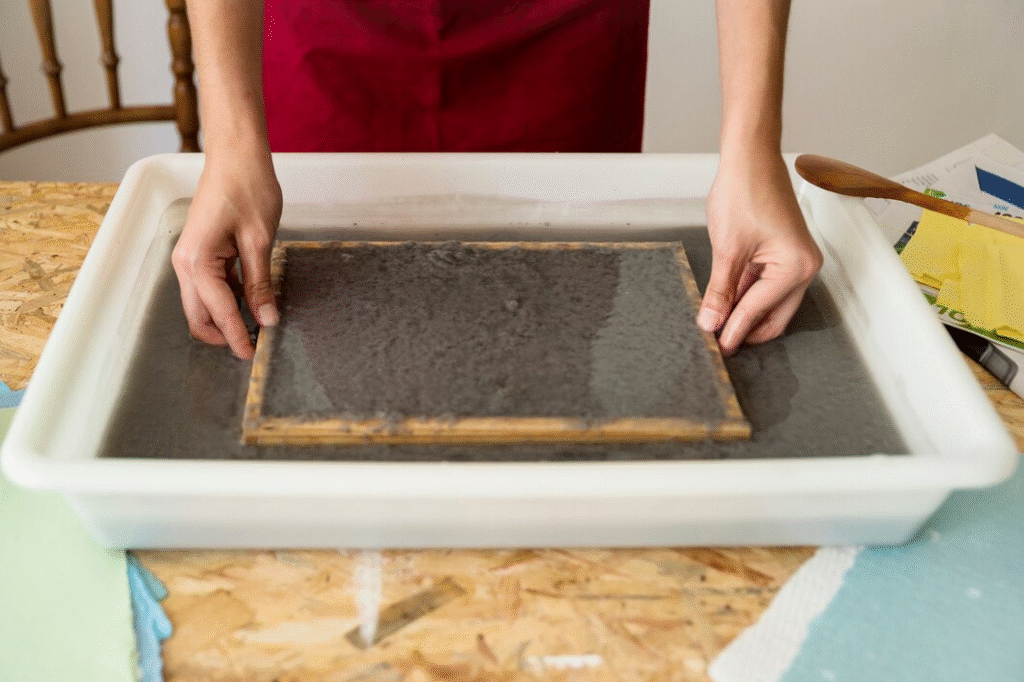
The method of creating Sodiceram. The process of making 𝓢𝓸𝓭𝓲𝓬𝓮𝓻𝓪𝓶 combines traditional ceramic craft and modern technology. Let’s go through it into step:
Step 1: Preparing Raw Materials:
The principal ingredients include:
- Clay: The base material
- Quartz, or Silica, adds hardness
- Feldspar is a natural flux
- Sodium Compounds such as sodium carbonate and sodium oxide
The materials are measured carefully and then mixed to get the ideal chemical balance.
Step 2: Shaping and Forming:
After mixing, the material is cut into slabs, tiles or parts using techniques like:
- Pressing – for dense, uniform tiles
- Casting for intricate forms or artistic designs
- Extrusion is a method for making longer forms, such as rods or ornamental pieces
Step 3: Drying:
Drying Before firing, the item must be dried thoroughly to eliminate the moisture. This will ensure there aren’t any cracks, bubbles or bubbles that are visible in the event of heating it later.
Step 4: Firing (Sintering):
Firing (Sintering) This is the place in which 𝓢𝓸𝓭𝓲𝓬𝓮𝓻𝓪𝓶 truly stands out. Ceramics are typically fired between 1200 and 400 degrees Celsius. However, Sodiceram is required to be fired between 800-1000 °C. The lower temperature is because sodium acts as a flux, which allows particles to fuse more quickly and form a solid glass-like structure without the need for extreme temperatures.
Step 5: Finishing and Glazing:
After firing, ceramics or tiles could be:
- Polished to shine
- Glazed to provide colour and waterproofing
- Textured for artistic or slip-resistant effects
Digital printing technology may print realistic patterns such as wood grains, marble veins, abstract art, or even wood grain patterns printed on𝓢𝓸𝓭𝓲𝓬𝓮𝓻𝓪𝓶surfaces.
Applications of Sodiceram in Real Life:
Sodiceram is utilized in numerous industries due to its blend of beauty, strength as well and environmental efficiency. Let’s take a look at the many uses for it.
1. Architecture and Construction:
In the construction industry, Sodiceram is becoming a popular option for:
- Tiles for floors are sturdy enough to handle heavy foot traffic
- Wall tiles are water-resistant as well as easy to wash
- Faux-panes resistant to sunlight, rain, and temperature fluctuations
- Materials for roofing are durable and thermally efficient
This lower porosity implies that it doesn’t take in too much water, which can cause the formation of cracks, stains, and the growth of mold — which is an important benefit for outdoor and humid conditions.
2. Interior Design:
𝓢𝓸𝓭𝓲𝓬𝓮𝓻𝓪𝓶s a dream for designers. It is available in:
- The most luxurious kitchens and bathrooms
- Lobbies at hotels, along with commercial space
- Installations of art or wall decorations
Because it is able to replicate natural materials such as marble or stone, however, it is lighter, less expensive, and more manageable. It’s now the latest trend in interior design.
3. Industrial Applications:
In the industry, Sodiceram is used for:
- Components resistant to heat
- Conductors and insulators for electrical power
- Precision tools and components
The ability for this type of material to stand up to extreme temperatures and stresses is advantageous in aerospace, electronics, as well as mechanical engineering..
4. Smart and Sustainable Technology:
Researchers are working on creating Sodiceram tiles with intelligent sensors that detect sunlight or temperature, and could even generate electricity from motion or sunlight. This new-generation technology combines design and technology, transforming easy ceramic tiles sophisticated,d efficient, energy-efficient system.
Advantages of Using Sodiceram:
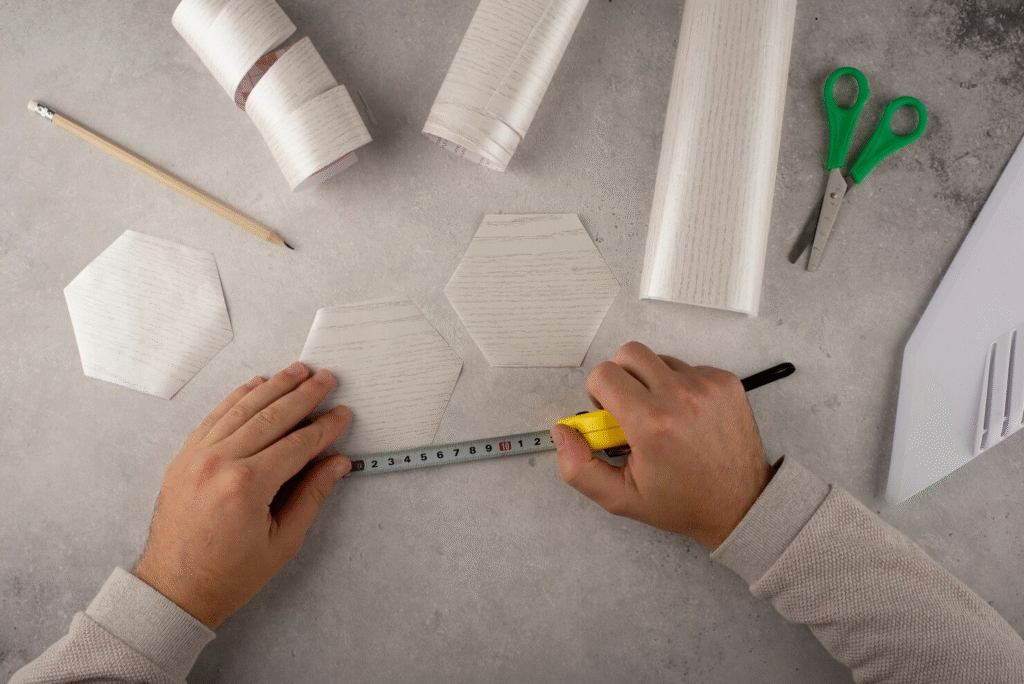
This article will give an in-depth explanation of why Sodiceram is fast becoming the choice of residential and industrial projects.
1. Long Life and Low Maintenance:
Contrary to others that lose their beauty quickly, 𝓢𝓸𝓭𝓲𝓬𝓮𝓻𝓪𝓶 keeps its beauty for a long time. It will not crack easily, fade, or require painting. It’s a one-time purchase that gives you peace of mind.
2. Water and Stain Resistance:
Due to its incredibly thick structure, water is not able to get through Sodiceram areas easily, which makes it ideal for bathrooms, kitchens, swimming pools, and other outdoor spaces.
3. Heat and Fire Resistance:
Sodiceram is a stable material even in high temperatures, which makes it a solid material for use close to ovens, stoves, or in fireplaces.
4. Eco-Friendly Production:
A lower energy use means fewer pollution emissions. 𝓢𝓸𝓭𝓲𝓬𝓮𝓻𝓪𝓶factories consume less fuel, emit less carbon dioxide, and generate less waste, making them a greener option for the environment.
5. Cost-Effective Over Time:
While Sodiceram may cost more at first but the decrease in energy repairs, maintenance, and costs will make it far cheaper over the long term.
Challenges and Considerations:
Even the toughest materials have their own challenges. Sodiceram isn’t a unique case.
1. Initial Production Costs:
Manufacturing facilities might require the use of new equipment or processes to make 𝓢𝓸𝓭𝓲𝓬𝓮𝓻𝓪𝓶 effectively. This can cause higher costs for consumers.
2. Limited Awareness:
As it’s a relatively recent product evident that everyone, from homeowners to architects, is aware of its benefits. Education and marketing are essential.
3. Specialized Installation:
Installers need to be aware of the characteristics of Sodiceram for it to function properly. The wrong choice of adhesive or process could lead to problems that are similar to other high-performance materials.
In spite of these minor concerns, the benefits easily surpass the negatives, particularly when you take into account the long-term performance.
Sodiceram vs Traditional Ceramics:
| Feature | Sodiceram | Traditional Ceramic |
| Firing Temperature | 800-1000degC | 1200-1400degC |
| Energy Use | Lower | Higher |
| Durability | Higher, stronger bonding | Moderate |
| Water Absorption | Very low | Moderate |
| Design Flexibility | High (custom textures and digital prints) | Medium |
| Environmental Impact | Eco-friendly | More energy-intensive |
| Cost (Initial) | A little higher | Lower |
| Cost (Lifetime) | Lower overall | Maintenance that is higher |
As you can observe, 𝓢𝓸𝓭𝓲𝓬𝓮𝓻𝓪𝓶 clearly leads in performance, sustainability, and value over the long term.
How to Choose and Use Sodiceram:
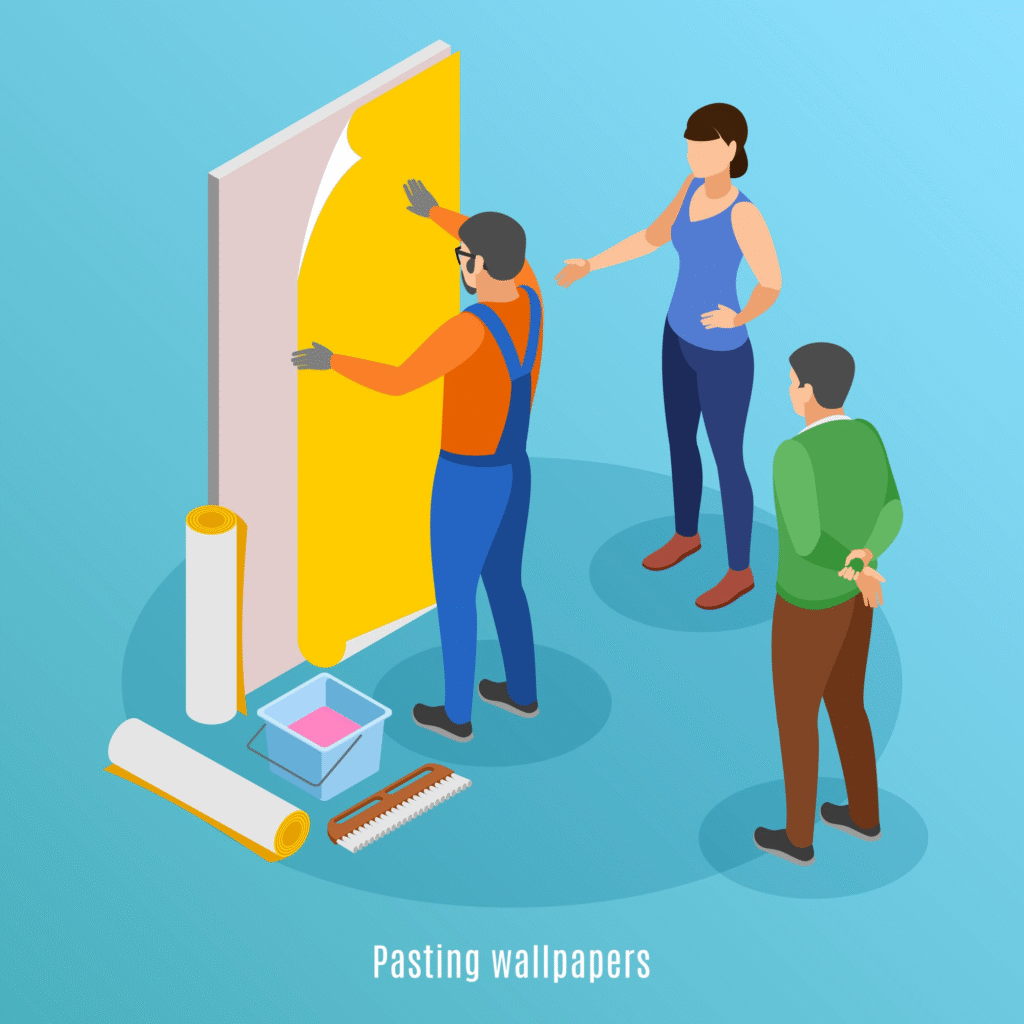
If you’re thinking of using 𝓢𝓸𝓭𝓲𝓬𝓮𝓻𝓪𝓶 to help you with your project or home, take these steps.
Step 1: Verify Authenticity:
Always ask your supplier for:
- Product datasheets
- Composition details
- Certifications (ISO, CE, or similar)
- Information on warranty
This guarantees you’re receiving real Sodiceram and not merely a marketing label.
Step 2: Plan Your Design:
Talk to your designer or architect to determine:
- The size of tiles and patterns
- Finish and color (matte gloss, matte texture, matte)
- Lighting effects and layout of the installation
Step 3: Proper Installation:
- Utilize high-quality adhesives that are designed for ceramics with low porosity.
- Keep a consistent spacing and use the correct expansion joints.
- Set the proper curing time prior to use.
Step 4: Maintenance Tips:
- Clean up regularly using mild cleaning products. Avoid harsh acids or Abrasives.
- Make use of the soft brush or cloths made of microfiber.
- Re-seal (if necessary) every couple of years for outdoor use.
If you take care of it, Sodiceram can stay as excellent as new for a long time.
The Future of Sodiceram:
The future looks bright and sustainable for Sodiceram.
- Intelligent Integration You can expect to be able to see floors and walls made of ceramic that control the temperature, absorb sound, or even light up on their own.
- Eco-Certifications Green building standards, such as LEED, are now beginning to acknowledge Sodiceram’s green potential.
- Expanding globally, many Manufacturers are expanding across Europe to Asia, which makes Sodiceram accessible in more countries at prices that are competitive.
- Creative Innovation Designers are using 3D printing and electronic glazing of 𝓢𝓸𝓭𝓲𝓬𝓮𝓻𝓪𝓶 to create unique artifacts.
Conclusion:
In a world that requires beauty, strength, in addition to sustainability, Sodiceram can be described as having become a game changer. It’s a new age of ceramics – one that is robust, energy efficient, and constantly innovating.
If you’re an architect searching for sustainable solutions or a homeowner who is dreaming of an elegant yet practical home, or a company looking to be green, 𝓢𝓸𝓭𝓲𝓬𝓮𝓻𝓪𝓶 offers the perfect combination of technological innovation, efficiency, and design.
When you next walk across a stunning floor of ceramic or gaze at a stunning tiled wall, keep in mind – ceramics’ future has an exciting modern name. Sodiceram.
Frequently Asked Questions :
1. What is Sodiceram composed of? Sodiceram is made from clay, silica, feldspar, and sodium compounds, such as sodium oxide. These components are then fired at a lower temperature to create durable and environmentally friendly ceramics.
2. Is Sodiceram eco-friendly? Yes! Its lower temperature of firing saves carbon dioxide emissions, saves energy, and generates less waste. A lot of ѕσ∂ι¢єяαм products can be reused or recycled.
3. Are there any advantages to using ѕσ∂ι¢єяαм tiles outside? Absolutely. Sodiceram tiles are weatherproof and durable, which makes them perfect for patios, facades, and roofs.
4. Do Sodiceram have a higher price than normal ceramics? At first, it may be a bit more costly. However, it lasts more time and is less likely to require maintenance. It will save costs over the long run.
5. How long will Sodiceram tiles last? If installed correctly and maintained, ѕσ∂ι¢єяαм tiles can last for 25-50 years or more, keeping their appearance and functionality.